What is a Zero-Click Search?
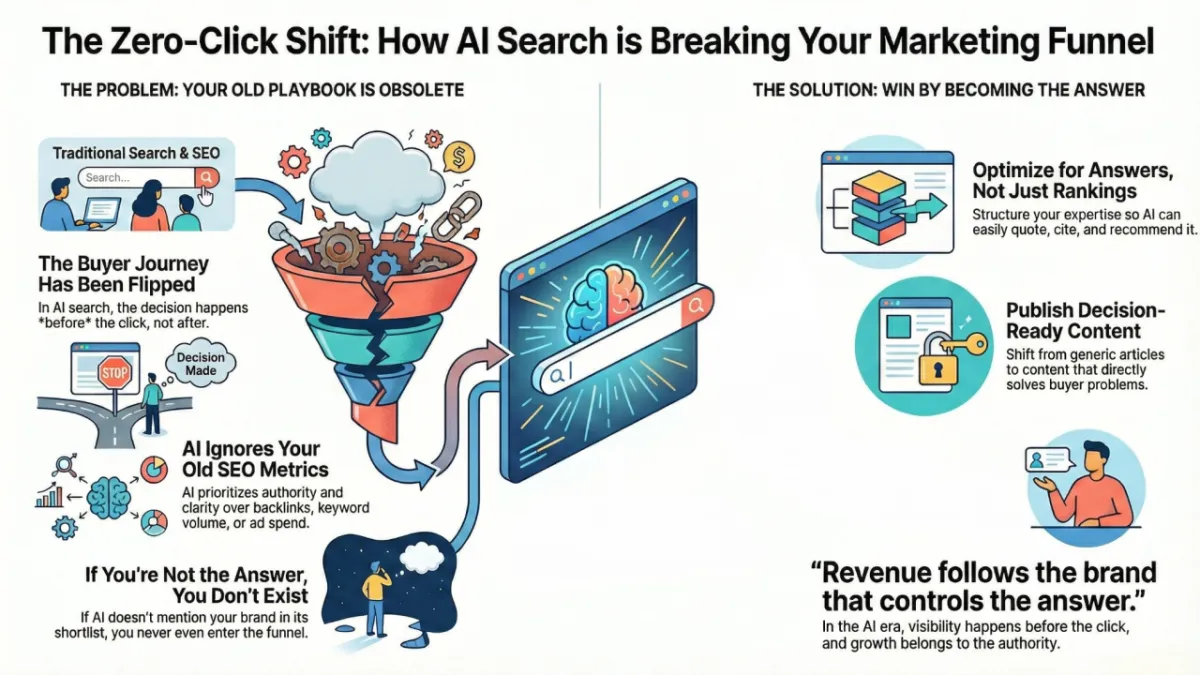
“Zero-click” doesn’t mean no action. It means the decision happens before the click ever exists.
And that’s exactly why traditional companies...brands clinging to old SEO, paid ads, and traffic-first thinking...are now exposed.
What “zero-click” means today
Traditional search worked like this: Search → Rank → Click → Explain → Decide
AI search works like this (ChatGPT, Perplexity, Copilot, Gemini): Ask → AI answers directly → AI recommends brands → Decide
The click is optional. 👉 The answer is not. That’s zero-click.
Why this breaks old marketing assumptions
AI doesn’t care about:
Blog volume
Backlink counts
Keyword stuffing
PPC budgets
AI cares about:
Clarity
Authority
Structured answers
Trust signals
Consistency across the web
If your brand isn’t the answer, AI fills the gap with someone else
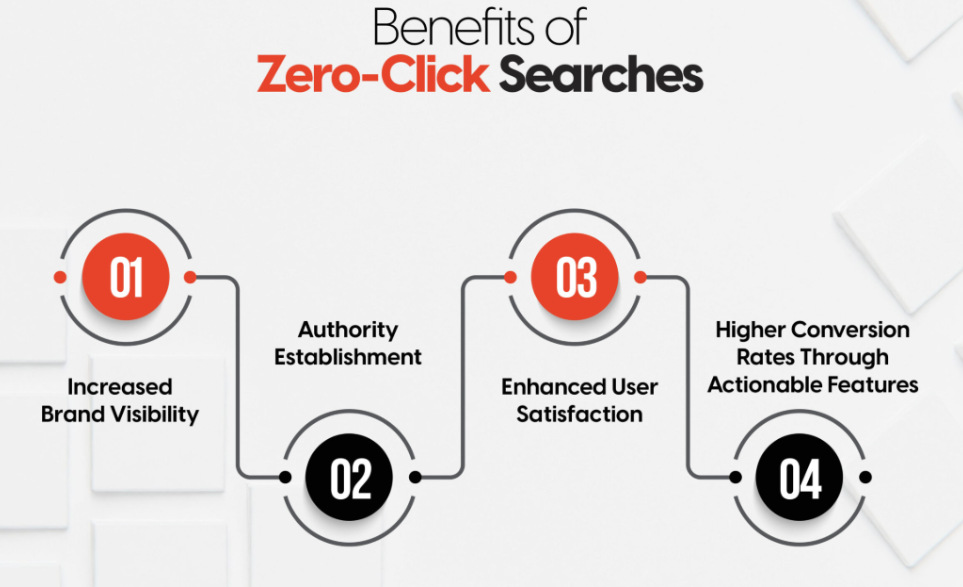
Zero-Click Searches
What zero-click looks like in practice
Buyers ask:
“Who’s the best provider for ___?”
“What company should I trust for ___?”
AI responds with:
A shortlist
A recommendation
A comparison
A next step
If your brand isn’t mentioned here, you never enter the funnel. No click. No visit. No lead. No second chance.
Why traditional companies feel this first
They:
Measure success by traffic alone
Assume ranking #1 equals visibility
Optimize pages instead of answers
Believe buyers will “research later”
But buyers don’t. AI already did it for them.
By the time sales engage:
Shortlists are formed
Preferences are shaped
Trust is already assigned
The revenue reality (the wake-up call)
Zero-click doesn’t reduce demand. It re-routes it.
AEO-optimized brands capture pre-decision demand
SEO-only brands fight for post-decision leftovers
Paid media costs rise as organic influence disappears
Sales cycles favor brands AI has already “pre-sold.”
The shift every company must make...now
To win in a zero-click world, brands must:
Optimize for AI answers, not just rankings
Publish decision-ready content, not fluff
Structure expertise so AI can quote and recommend it
Align marketing to revenue questions, not vanity metrics
What now?
In the AI search era, visibility happens before the click. Revenue follows the brand that controls the answer.
Zero-click isn’t a trend. It’s the new default.
And companies that don’t adapt NOW will spend all of 2026 wondering where their growth went.
FAQ 1: What does zero-click mean in the new AI search reality?
Zero-click means the user gets the answer inside the AI search experience (ChatGPT, Perplexity, Copilot, Gemini, and AI Overviews), often including recommendations—so they may decide without clicking through to a website.
FAQ 2: Is zero-click new?
Zero-click existed in traditional search (featured snippets, knowledge panels), but AI expands it by generating full answers, comparisons, and vendor shortlists that can replace browsing entirely.
FAQ 3: Does zero-click mean customers never visit websites anymore?
No. It means many decisions happen earlier. Websites still matter, but they often become a confirmation step—after AI has already influenced the shortlist.
FAQ 4: Why does zero-click hurt companies that rely on SEO traffic?
Because visibility is moving from “ranking pages” to “being the answer.” You can rank well and still lose if AI recommends competitors instead.
FAQ 5: What does AI search look for when choosing answers?
AI systems tend to prioritize clarity, structured answers, consistency across the web, and trust signals that make information easy to extract and verify.
FAQ 6: What’s the biggest risk of ignoring zero-click in 2026?
You may see slowing pipeline despite more content and more ad spend—because demand is being routed to brands AI already trusts and recommends.
FAQ 7: How do we win in a zero-click world?
Invest in AEO: publish decision-ready answers, implement structured data, clarify your entity and offerings, build credible citations/mentions, and align content to revenue-stage buyer questions.
FAQ 8: What is AEO (Answer Engine Optimization)?
AEO is the practice of optimizing content so AI engines can understand, cite, and recommend your brand as an answer—especially for high-intent buyer questions.


